Proof, not adjectives
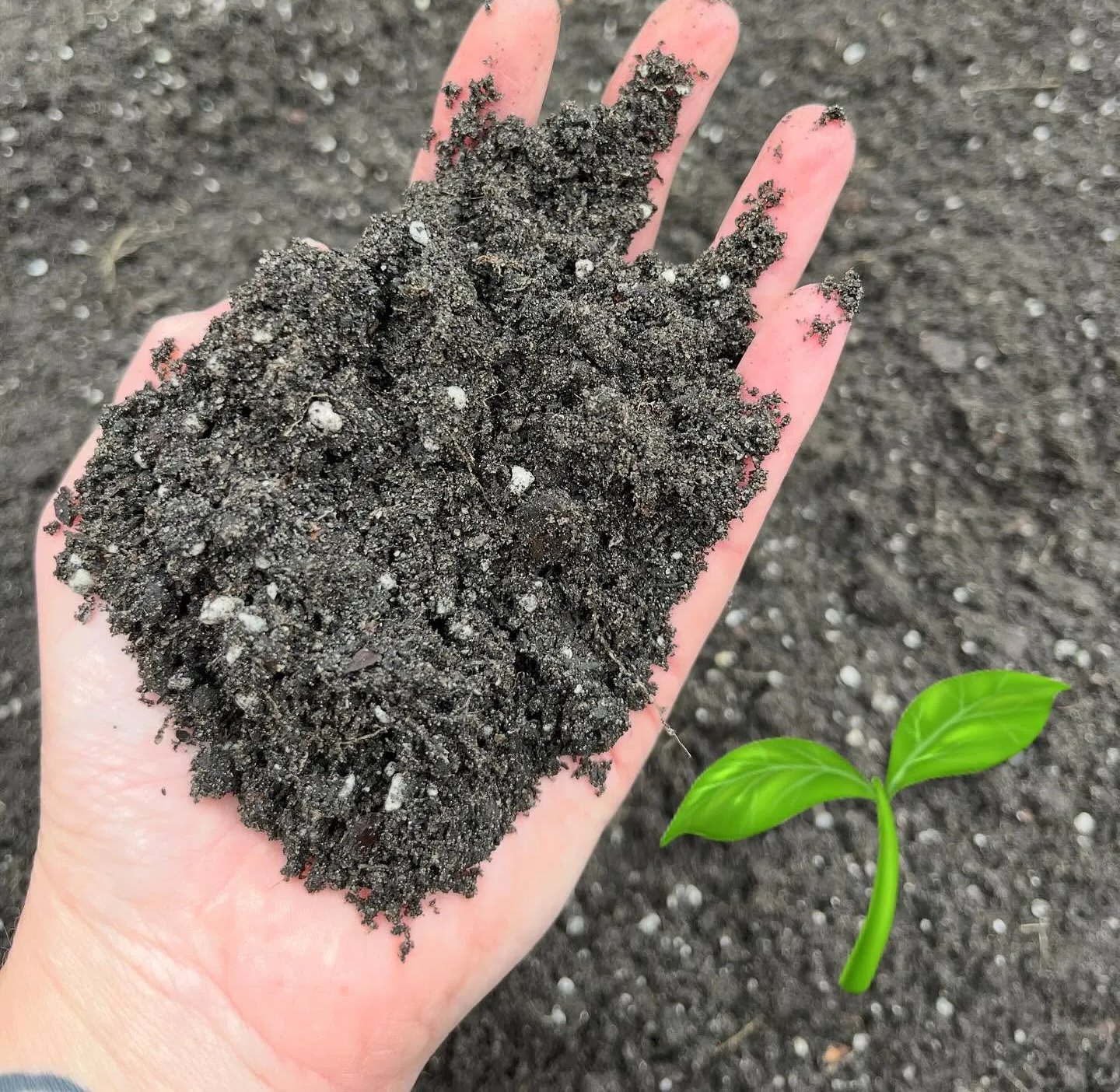
We sent our dirt
to a DNA lab.
Anybody can call their soil “rich” or “premium” on a bag. We wanted to know what was actually living in ours, so we paid an independent lab to sequence it. Here is the full report, published in the open.
1,589
distinct species
bacteria, fungi and viruses identified
18
functional traits
scored and published, including the middling ones
69:1
bacteria to fungi
the ratio annuals prefer
What that community can actually do
The lab scores functional potential — what the living organisms in the bag are equipped to do once they reach your soil. All twelve results, published in full.
Low-oxygen function
89%
Very high potential
The biology keeps working in the wet, packed pockets where most soil life stalls.
Denitrification
89%
Very high potential
Completes the nitrogen cycle instead of letting it stall — a sign of a mature, balanced community.
Carbon fixation
89%
High potential
Builds stable organic matter, so the ground holds together and holds water for years, not weeks.
Iron acquisition
85%
Very high potential
Unlocks iron the plant can actually take up — what keeps leaves deep green instead of pale.
High-oxygen function
84%
Very high potential
Fully aerobic and mature — the sign of compost that was finished properly, not rushed.
Plant stress adaptation
83%
High potential
Helps plants ride out a Carolina heat wave and a dry spell without checking out.
Organic nitrogen breakdown
73%
Medium potential
Feeds steadily all season instead of spiking and crashing like a synthetic.
Nitrogen fixation
69%
High potential
Pulls nitrogen out of thin air and hands it to your plants.
Phosphorus mobilization
64%
High potential
Frees up locked phosphorus — the fuel behind big blooms and heavy fruit set.
Methanogenesis
61%
Medium potential
A normal part of a mixed community with both aerobic and anaerobic pockets.
Potassium solubilization
61%
High potential
Makes potassium available, which is what stiffens stems and firms up fruit.
Calcium transport
61%
High potential
Moves calcium where it is needed — the mineral behind blossom-end rot when it is missing.
Anoxic environment
60%
Medium potential
Function continues even where oxygen runs out, deep in a compacted bed.
Organic carbon breakdown
59%
Medium potential
Turns raw organic matter into food for the soil at a measured pace.
Nodulating bacteria
58%
Medium potential
The partners legumes need — beans, peas and clover form root nodules with these.
Sulfur reduction
57%
Medium potential
Part of the sulfur cycle that keeps proteins and enzymes building in the plant.
Sulfur oxidation
54%
Medium potential
Converts sulfur into the sulfate form roots can absorb.
Nitrification
41%
Medium potential
Converts ammonium to nitrate, the form roots absorb most readily.
Who’s in there
A few of the residents worth knowing by name.
The bodyguard
Streptomyces
10.22%
The single most abundant organism in the sample. Produces natural antibiotic compounds that suppress soil-borne disease.
The recycler
Mycobacterium
4.23%
A widespread environmental genus that breaks down tough, waxy organic compounds other organisms leave behind.
The scout
Pseudomonas
2.32%
A plant-growth-promoting bacterium that frees locked phosphorus and drives dense, fibrous rooting.
The heat-lover
Sphaerobacter
2.06%
A thermophile — its presence is a fingerprint of a pile that genuinely ran hot.
The nitrogen finisher
Nitrospira
1.49%
Completes nitrification, turning ammonium all the way through to the nitrate roots take up.
The nitrogen crew
Bradyrhizobium & Mesorhizobium
1.93%
The root-nodule partners behind the nitrogen-fixation score. Combined 0.97% + 0.96%.
The trainer
Bacillus
0.45%
Primes the plant's own immune response — systemic acquired resistance — before trouble arrives.
96.9%
Bacteria
1540 species
2.33%
Fungi
37 species
0.75%
Viruses
12 species
Where these numbers come from
Independently sequenced. Publicly published.
Every figure on this page comes from independent DNA sequencing by RhizeBio, test ID HA 01-24, run on our chicken manure compost. We paid for the test, and we publish the whole result — not a cherry-picked headline.
That is the standard we hold ourselves to. If we say the biology is in the bag, there is a lab report behind it with a name on it.
See the lab report →Certified Organic
Clemson University
Certified South Carolina
SC Dept. of Agriculture
Independently sequenced
RhizeBio DNA analysis
100% peat-free
No bogs, ever