
Meet Streptomyces, the bodyguard living in your soil
It's the most abundant organism in our compost, it smells like rain on dry ground, and a good share of the antibiotics in your medicine cabinet came from its relatives.
September 1, 2026 · 2 min read
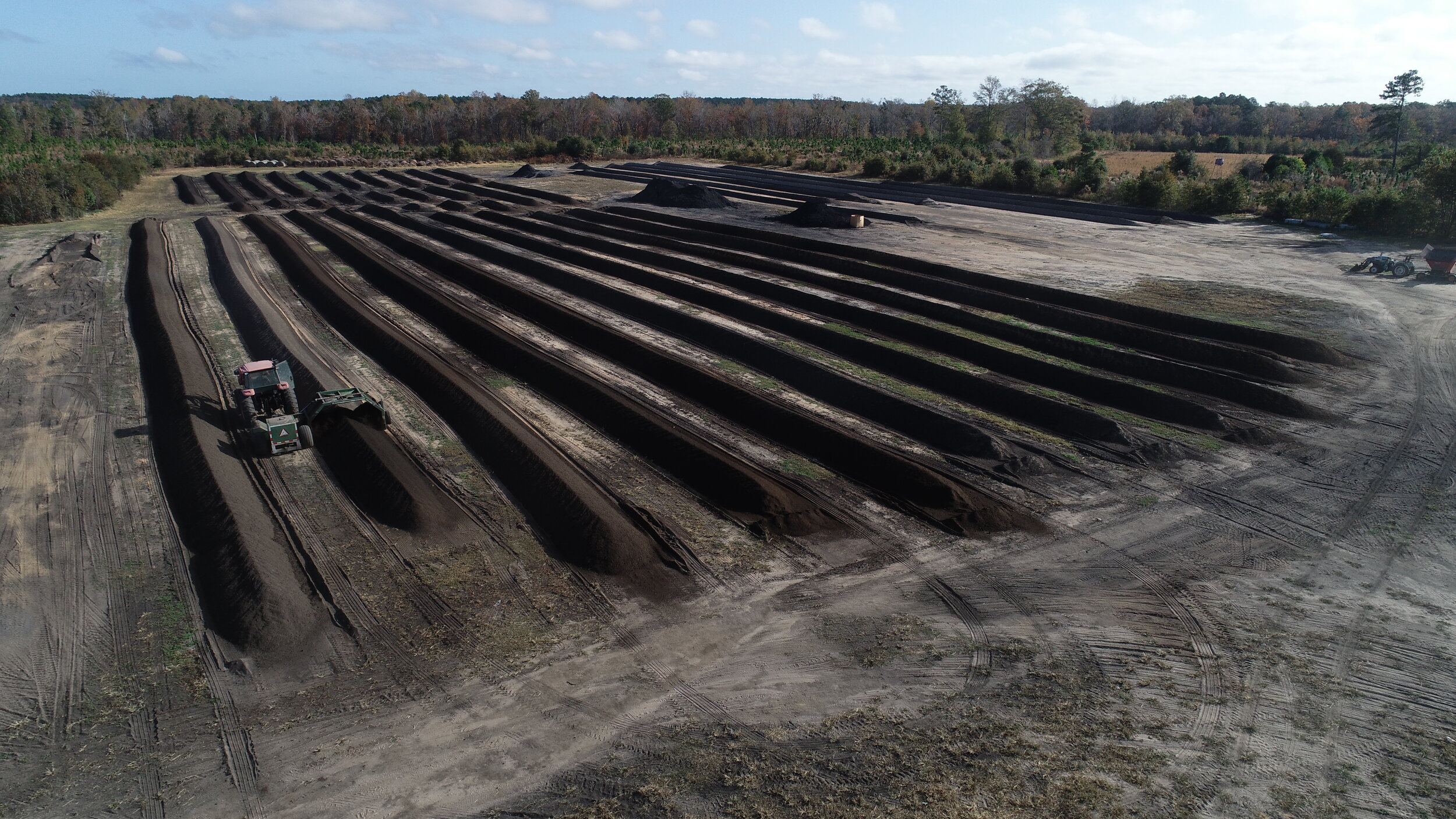
When our compost came back from DNA sequencing, one organism sat clearly on top of the list: Streptomyces, at 10.22% of the entire microbial population. One in ten.
If you’ve ever walked outside after the first rain on dry ground and smelled that clean, mineral, unmistakably earthy smell — you have already met it. That smell is geosmin, a compound Streptomyces releases. Human noses are extraordinarily sensitive to it; we can detect it at a few parts per trillion. There is a reasonable argument that we evolved to find it, because it signals moisture and fertile ground.
What it does for a plant
Streptomyces is a filamentous bacterium — it grows in branching threads more like a fungus than a typical bacterium, which lets it work its way through soil crumbs and organic matter rather than drifting in water films.
Two things make it valuable in a garden bed:
It makes antibiotics. This is not a marketing flourish. A large proportion of the antibiotics used in human medicine — streptomycin, tetracycline, neomycin and others — were originally isolated from Streptomyces species. In soil, those same compounds are chemical warfare against competing organisms, including the fungi and bacteria that cause root disease. A soil well populated with Streptomyces is a hostile place for a pathogen trying to establish.
It breaks down the tough stuff. Cellulose, chitin, lignin — the fibrous, woody material that most organisms can’t digest. Streptomyces has the enzymes for it. That’s precisely why it thrives in a windrow full of wood waste and bedding, and it’s a large part of how raw material becomes finished compost.
Why it’s so abundant in ours
Streptomyces is thermotolerant — it handles heat that shuts other organisms down. Our windrows run to about 135°F and are held there. That temperature retires weed seed and pathogens, but Streptomyces keeps working straight through it, and then dominates the recolonisation as the pile cools and cures.
In other words, the process selects for it. The heat isn’t just a sanitation step; it’s a filter that shapes which community you end up with. Ours ended up with the bodyguard in charge.
What this means when you open the bag
You’re not adding fertiliser. You’re introducing a population — one led by an organism that suppresses disease and digests material your soil couldn’t otherwise use. That’s the practical difference between feeding a plant and building a soil.
And that earthy smell when you cut the bag open? That’s the bodyguard, reporting for work.
Microbe of the month is our series on the organisms our lab work actually found — not generic soil-science explainers, but the specific residents of our own compost, by name and by share.